How Kentucky Weather Affects Your Asphalt and What You Can Do About It
Published
Does the Kentucky climate impact your pavement's lifespan?
When maintaining a driveway or parking lot, one of the most critical factors is understanding how local environmental conditions affect the material. Asphalt surfaces are highly durable, but they are constantly under attack by shifting temperatures and weather patterns common in Eastern Kentucky. While some pavements hold up for years, others deteriorate quickly if they lack the proper surface protection or professional maintenance.
In this comprehensive guide, we will break down how different types of weather damage your asphalt, what signs of wear you should watch for, and how you can ensure your property remains protected throughout every season.
What is Weather-Related Asphalt Damage?
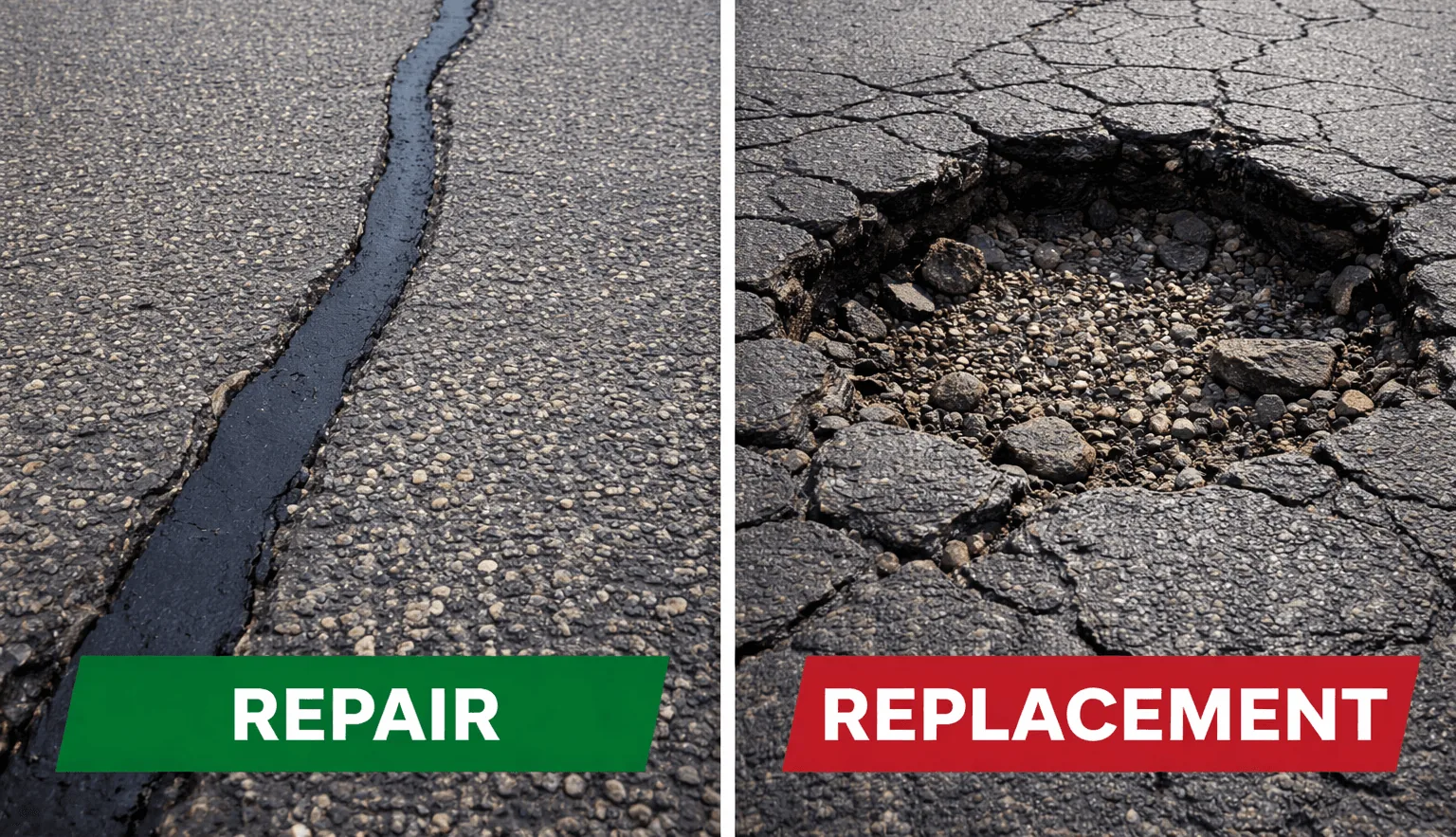
Weather damage occurs when external elements like rain, ice, and UV rays penetrate the surface or erode the sub-base. Without a written guarantee of quality from an expert contractor, these issues can lead to premature failure, requiring expensive repairs or complete replacements.
Why Does Local Weather Protection Matter?
Prevents Homeowner Costs: Regular maintenance shields your budget from the high costs of emergency repairs.
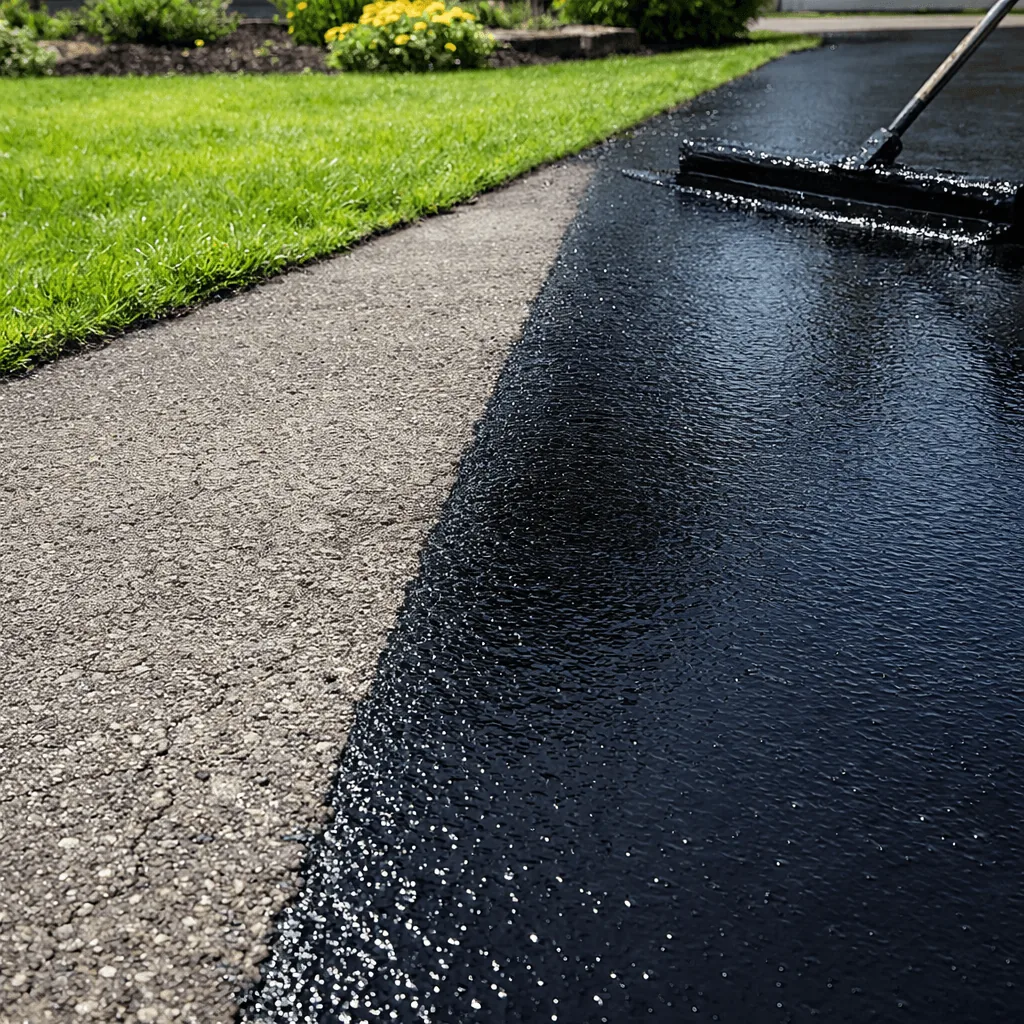
Ensures Workmanship Longevity: High-quality sealants are specifically designed to bond with the material to resist temperature swings.
Offers Peace of Mind: Professional care ensures your surface remains safe and functional during the harshest Kentucky winters.
Types of Weather Threats to Your Asphalt
☀ UV Oxidation: Intense sun exposure dries out the oils in the asphalt, making it brittle and prone to graying and cracking.
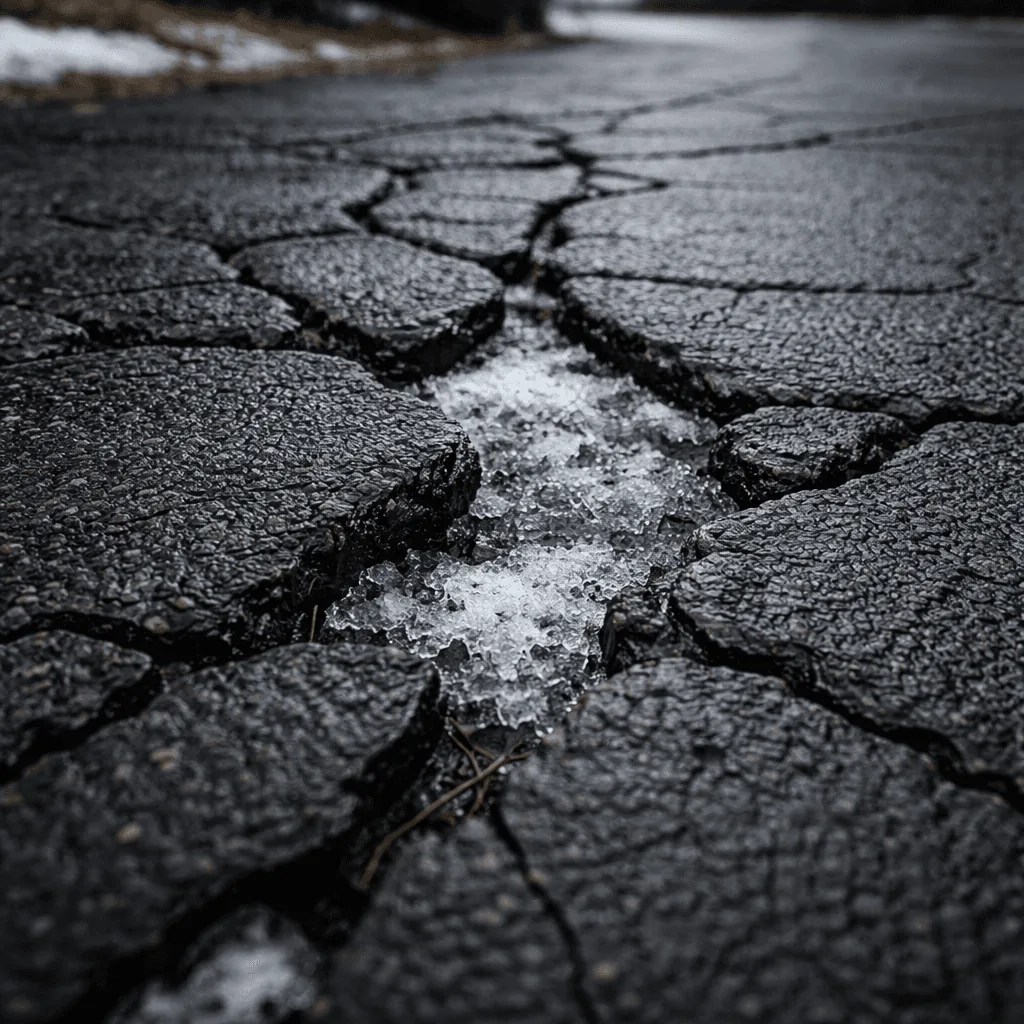
❄ The Freeze-Thaw Cycle: When water enters small cracks and freezes, it expands, causing the asphalt to heave and break apart.
🌧 Moisture Seepage: Heavy rain can wash away the sub-base material, leading to sinkholes and structural instability.